What Your Alacati Taxi Driver Knows That Google Maps Never Will
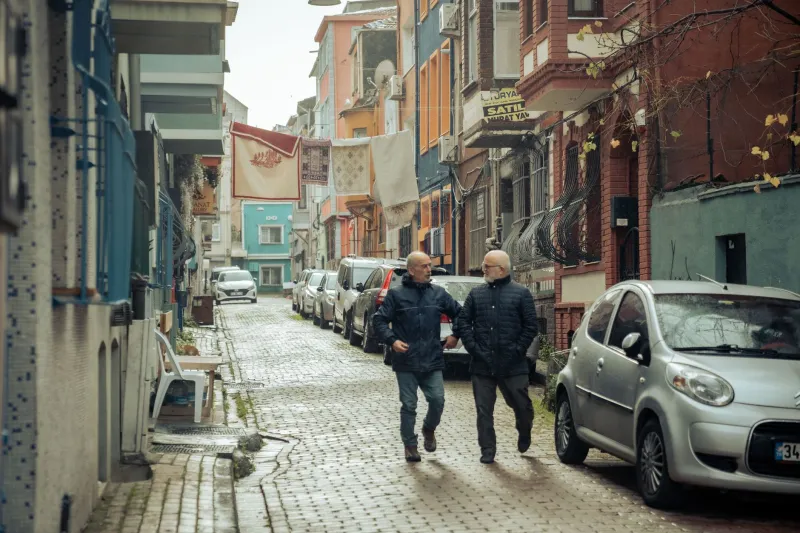
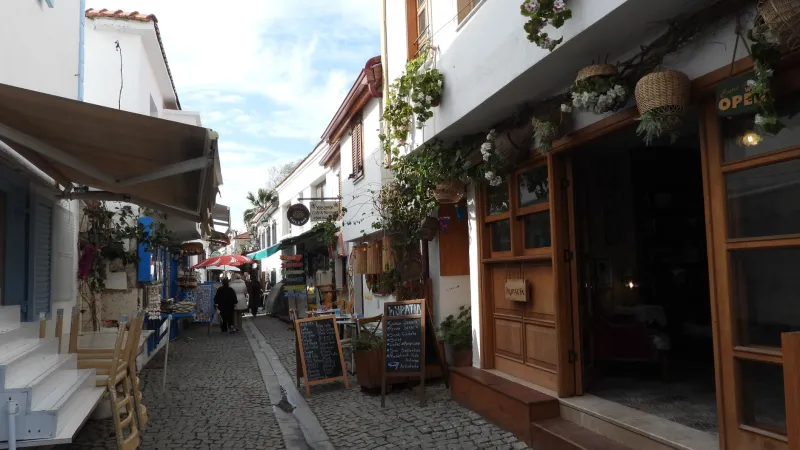
Let's be honest: most of us show up in a new place with a phone full of saved Instagram locations and a vague plan to "explore." And Alacati — with its cobblestone streets, bougainvillea-draped walls, and reputation as one of Turkey's most charming coastal towns — absolutely rewards that kind of wandering. But if you really want to get under the skin of this place, the single best move you can make is also the simplest one: talk to your taxi driver.
Not small talk. Real conversation.
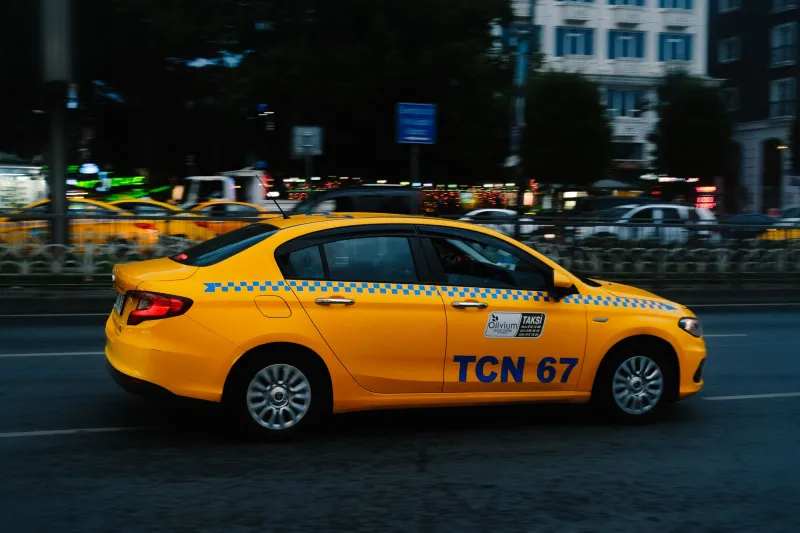
Drivers working the streets of Alacati aren't just getting you from A to B. They're locals. They grew up here, or have been working here long enough to know which family-run meyhane hasn't raised its prices since 2015, which beach cove the tour buses never find, and which "famous" restaurant you should probably skip. That's a level of intelligence no app is going to serve up.
The Unofficial Local Knowledge Economy
Think of it this way: Alacati runs on relationships. It's a small town at heart — the kind of place where the guy pouring your wine knows the woman who grew the grapes, and the chef buying fish at 7 a.m. is the same person who'll cook it for you at lunch. Taxi drivers sit at the center of this web.
They ferry restaurant owners to the market. They pick up chefs from the airport. They drop off winemakers at their vineyards. Over years of doing this, they accumulate a mental map of the town that goes three layers deeper than anything a travel writer parachuting in for a weekend could ever document.
This is what we'd call the local knowledge economy — an informal exchange where curiosity and genuine interest get you access to information that money simply can't buy. And the currency is pretty straightforward: respect, a bit of Turkish (even just a few words), and the willingness to ask good questions.
How to Actually Ask Without Being That Tourist
Here's where Americans sometimes trip up. There's a difference between asking for a recommendation and demanding a concierge service. The etiquette matters.
Start with context. Don't just say "where should I eat?" That's too broad and puts the driver on the spot. Instead, try something like: "We've been to the main strip — what do you actually eat when you're not working?" That reframe shifts the conversation from tourist-to-guide to person-to-person, and it almost always unlocks something real.
Ask follow-up questions. If they mention a spot, ask why they like it. Who runs it? How long has it been there? Is there a dish you have to order? Drivers love talking about places they genuinely care about — it's the difference between a rehearsed recommendation and an actual opinion.
Learn a few words. Even "teşekkür ederim" (thank you) or "çok güzel" (very beautiful) signals that you're making an effort. It breaks down walls fast.
And tip well. This isn't transactional — it's just respectful. If someone's given you a real gem of a tip, acknowledge it.
The Kinds of Places You'll Actually Uncover
So what does this actually look like in practice? Here are the kinds of spots that live on the taxi driver's secret map:
The alleyway meyhane nobody's reviewing. Alacati has a handful of family-run meyhanes — traditional Turkish taverns serving meze and raki — that have never needed a social media presence because locals keep them full. These are the places where the food is made the way it's always been made, the prices haven't inflated for tourist season, and you might end up sharing a table with someone's grandmother. Your driver knows at least one.
The sunset spot that isn't the sunset spot. Every visitor gets pointed to the same elevated viewpoint or the waterfront promenade. But there are quieter hillside positions, certain rooftop terraces, and unmarked coastal pullouts where the light hits differently and the crowds don't. Ask specifically: "Is there somewhere to watch the sunset that most tourists don't know about?" You'll be surprised what comes up.
The morning market rhythm. Alacati has a weekly market that draws locals from surrounding villages, but the real action — the freshest produce, the best deals, the actual community gathering — happens early and in specific sections that visitors tend to miss. A driver who shops there can tell you exactly when to show up and where to go first.
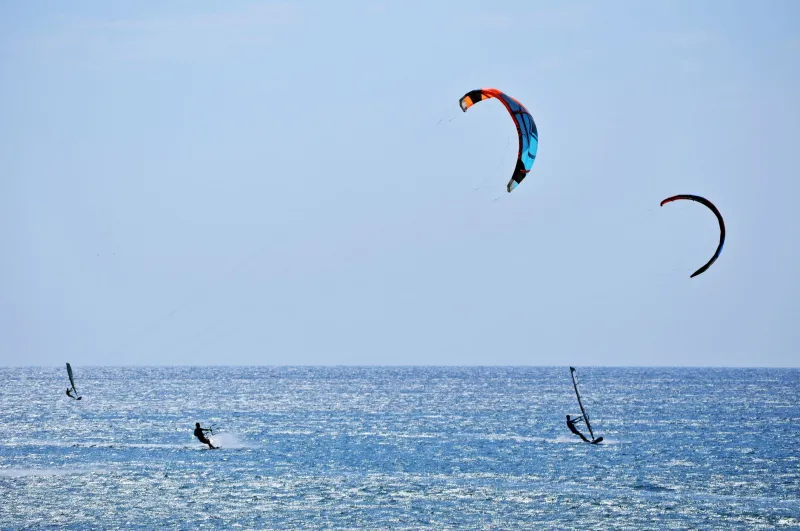
The beach that requires a back road. The Cesme peninsula has coastline that doesn't make it onto the standard tourist circuit. Getting there often means navigating unmarked turns that feel wrong until suddenly they feel very right. This is exactly the kind of local routing knowledge that a driver with ten years on these roads carries effortlessly.
Building the Relationship Over Multiple Rides
If you're spending more than a couple of days in Alacati, consider sticking with one driver when you can. This isn't just convenient — it builds rapport. By your third ride, you're not a stranger anymore. You're that American couple who asked about the fish market, who actually went to the meyhane he recommended, and who came back with a good story about it.
That's when the really good stuff comes out. The festival happening in a nearby village that weekend. The winemaker who does informal tastings if you call ahead. The bakery that only opens on certain mornings and sells out by 9 a.m.
Alacati Korsan Taksi exists precisely because this kind of local connection is worth building. When you're booking rides with drivers who know this town inside out, you're not just arranging transportation — you're tapping into a network that's been navigating Alacati's streets and relationships for years.
One Last Thing
The best travel experiences don't come from optimized itineraries or algorithm-curated lists. They come from moments of genuine connection — a conversation that takes a turn you didn't expect, a recommendation from someone who has no reason to steer you wrong.
Your taxi driver in Alacati is one of the best travel resources you'll ever sit across from. The secret map exists. You just have to ask for it.