What Your Alacati Cab Ride Taught Me About Turkish Economics (And Why Wall Street Has No Clue)
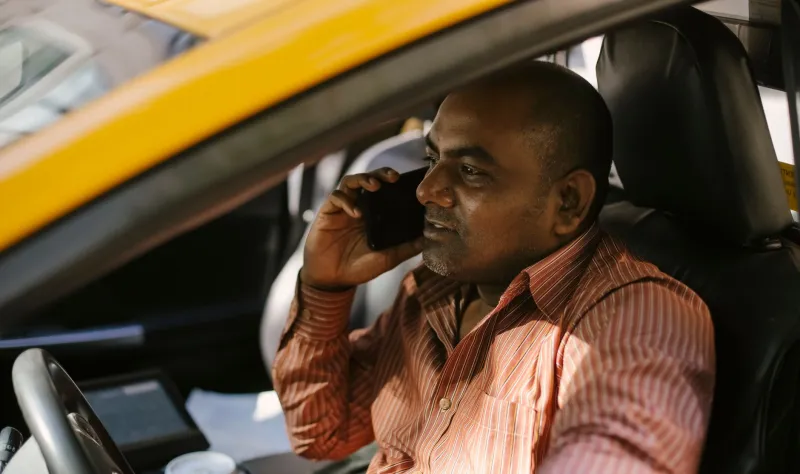
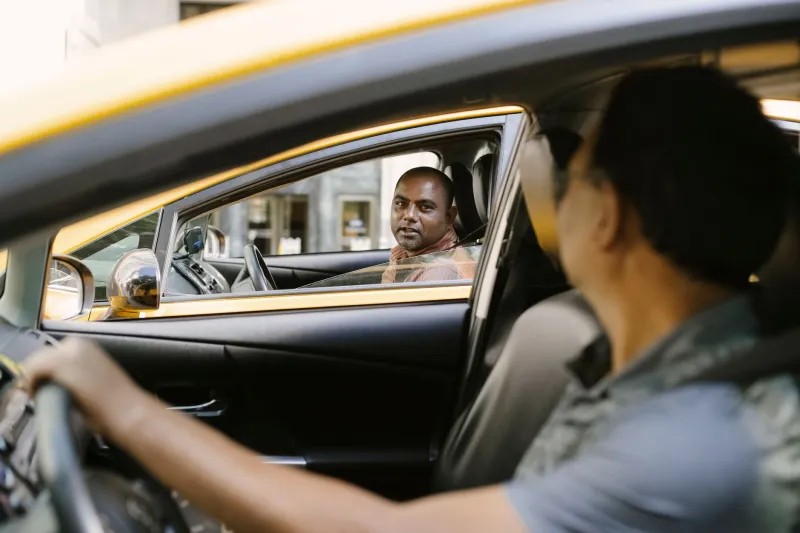
There's a particular kind of conversation that happens when you slide into the back of a taxi in Alacati. The driver glances in the rearview mirror, sizes you up as a foreigner, and — if you show even the slightest curiosity — starts talking. Not small talk. Real talk. The kind that makes you quietly put your phone down and actually listen.
I've had more genuinely informative economic conversations in Alacati taxis than I've ever had reading financial news about Turkey. And I'm not alone in noticing this.
The Lira Problem, Explained Without a Single Graph
If you've done any research before visiting Turkey, you've probably stumbled across headlines about Turkish inflation, the lira's volatility, and economic turbulence. What those articles almost never give you is texture — the lived, street-level experience of what that actually means for the people running businesses, raising families, and yes, driving taxis in a town like Alacati.
Ask your driver how things have changed over the last few years and you'll get an education that no macroeconomic report can replicate. They'll tell you which of the boutique hotels on the main drag are quietly struggling to hold onto staff because wages can't keep pace with rising costs. They'll mention that the fish restaurant that's been packed every summer for a decade just raised its prices twice in one season — and whether locals still go there or have quietly stopped.
These are the ground-truth data points that institutional investors and travel journalists alike tend to miss. Your driver isn't reading Reuters. He's watching the actual economy move in real time.
Tourism Trends Before They Hit the Trade Press
Alacati has become a genuinely hot destination over the past decade — popular with Istanbul weekenders, European tourists, and an increasingly curious American crowd. But the nature of that tourism is shifting in ways that matter if you're trying to understand what the place actually is versus what the Instagram algorithm says it is.
Taxi drivers have a uniquely panoramic view of tourism flow. They're picking people up from the airport transfers, dropping guests at boutique hotels, shuttling visitors between Alacati's famous windmills and the beach clubs out toward Ilica. They notice when a new nationality starts showing up in volume. They notice when a previously booming spot goes quiet mid-season.
One driver I spoke with on a ride from Cesme Airport could rattle off which months had been strongest this year, which European markets seemed to be pulling back, and which new hotel opening had genuinely changed the foot traffic pattern on his route. He wasn't bragging — he was just observing, the way anyone would when their livelihood depends on reading the room.
For American travelers, this kind of insight is weirdly practical. It helps you understand whether you're visiting a place at its peak, on the way up, or in a subtle decline that the glossy travel features haven't caught up with yet.
Which Businesses Are Actually Thriving (And Which Are Just Good at Instagram)
Here's the thing about a place like Alacati: it photographs beautifully. The bougainvillea-draped stone walls, the cute storefronts, the perfectly lit herb markets — all of it looks thriving in a picture. Reality is more nuanced.
Local taxi drivers are essentially the connective tissue of the Alacati economy. They know the restaurant owner who just expanded because business has been genuinely excellent. They know the boutique that's been on the market for six months because the rent got untenable. They know which beach club is pulling in serious money and which one is running on vibes and investor patience.
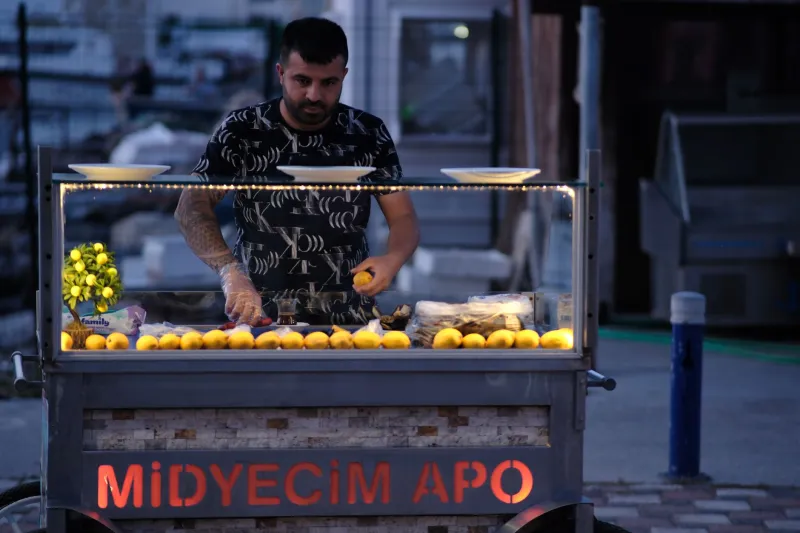
This isn't gossip — or rather, it's the kind of gossip that doubles as market research. If you're a traveler who likes to spend money at places that are actually embedded in the local economy rather than extracting from it, these conversations are gold. Your driver can point you toward the family-run meyhane that's been there for thirty years and is quietly thriving, rather than the concept restaurant that opened last spring and is already struggling to find its footing.
The Exchange Rate Conversation You Actually Need
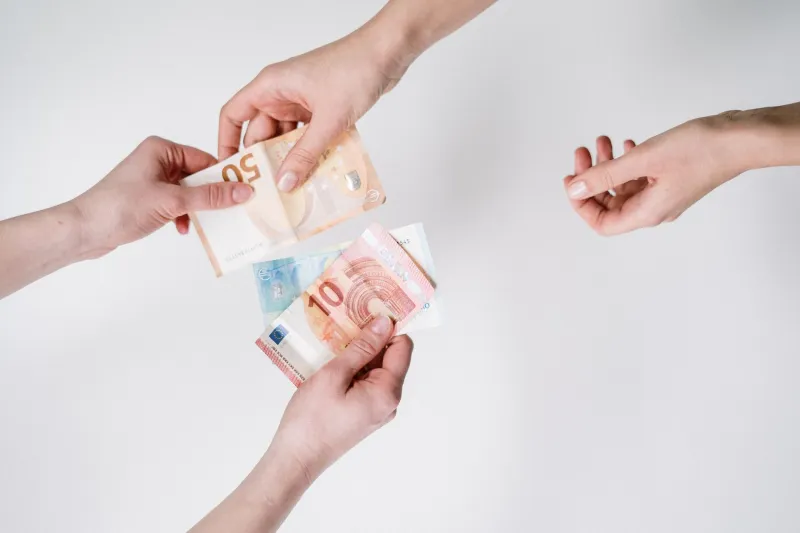
Every American who lands in Turkey has the same moment of slightly giddy confusion at the exchange rate. The lira math feels like a windfall, and it kind of is — but it's also more complicated than it looks.
Taxi drivers in Alacati navigate this dynamic every single day. They deal with tourists who are spending freely because everything feels cheap, while simultaneously watching their own purchasing power get squeezed. They have opinions about which prices have been inflated specifically for foreign visitors and which represent genuine local value. They know which shops quote prices in euros (a tell worth knowing) and which ones are priced for the local market.
One driver put it to me plainly: the best places to eat and shop in Alacati are the ones that haven't changed their pricing model just because foreigners showed up. That's not a sentimental observation — it's an economic signal. Businesses that stay anchored to the local market tend to be more stable, more consistent, and frankly better.
How to Actually Have This Conversation
None of this happens if you're staring at your phone for the whole ride. The formula is pretty simple: ask a genuine question, show some actual curiosity, and then shut up and listen.
Good openers include asking how the season has been, whether the town feels busier or quieter than last year, or what's changed recently in the area. Most drivers are happy to talk — they spend a lot of time in the car alone, and a curious traveler is a welcome change from someone who just wants to get to the hotel in silence.
At Alacati Korsan Taksi, we've always said that getting around Alacati is about more than logistics. The ride itself is part of the experience. And if you happen to walk away with a sharper understanding of Turkish economic reality than most financial analysts have? Well, that's just a bonus that doesn't show up on the meter.
Book the ride. Ask the questions. The education is free.