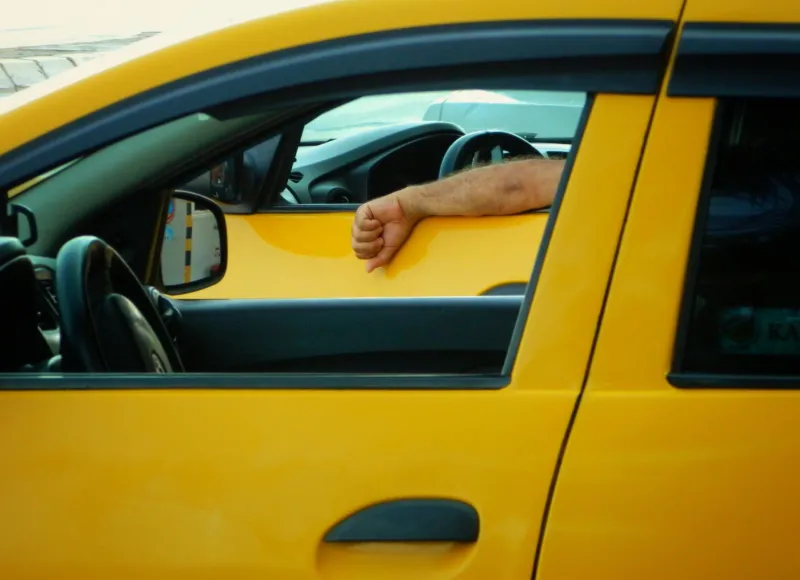
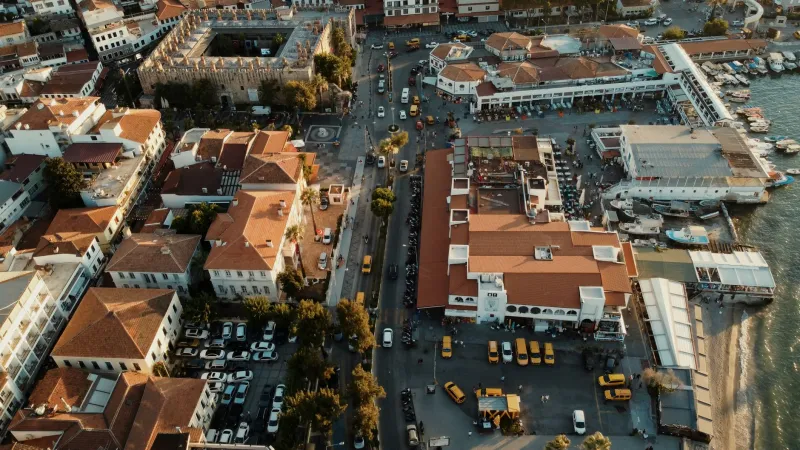
The Human Lie Detector in the Front Seat: What Alacati's Cab Drivers Know About Reading People
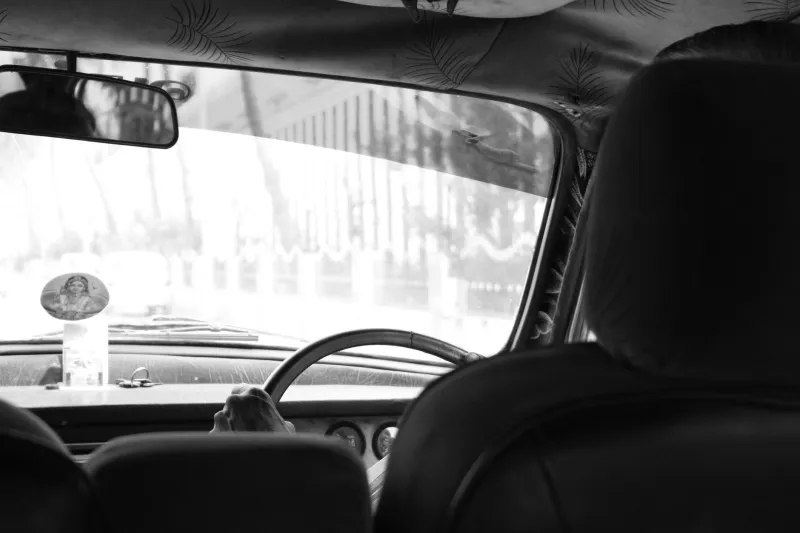
You slide into the back of a cab somewhere between the windmill hills and the harbor, and within about thirty seconds, your driver already knows something about you. Not because he's nosy. Not because he's running some kind of personality quiz. He just knows — the way a bartender knows when someone's had enough, or the way a grandmother knows you skipped lunch before you've said a word.
This isn't mysticism. It's pattern recognition built over thousands of rides, tens of thousands of passengers, and more awkward silences, heated arguments, and tearful confessions than most licensed therapists log in a career. Alacati's cab drivers have quietly become some of the sharpest readers of human behavior you'll ever encounter. And if you're paying attention during your ride, you might walk away with more self-awareness than you bargained for.
The Classroom Nobody Signed Up For
Think about what a busy taxi driver in Alacati actually deals with in a single week. Newlyweds who aren't speaking. A solo traveler processing a breakup somewhere over the Atlantic. Business groups negotiating deals in hushed tones. Families mid-argument about where to eat dinner. Tourists who are lost in more ways than one.
Every single one of those passengers brings a different energy into the car — and the driver has to calibrate, fast. Do you talk or stay quiet? Do you offer a recommendation or wait to be asked? Do you acknowledge the tension or pretend it isn't there?
Drivers who get this wrong consistently don't last. The ones who thrive develop an almost automatic ability to read body language, tone, and subtext before the seatbelt clicks. That's not a soft skill. That's a survival skill — and it's one most of us never formally develop at all.
What They're Actually Picking Up On
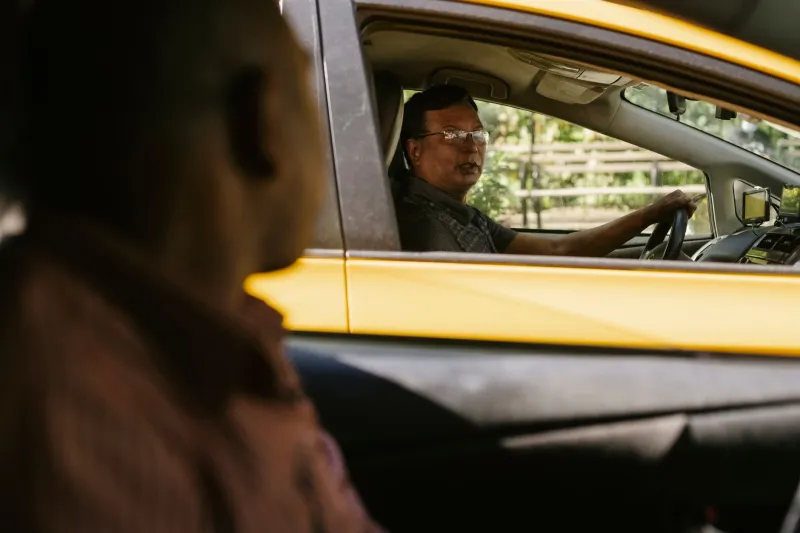
Several drivers I spoke with through Alacati Korsan Taksi described their process in similar ways, even though they'd never compared notes. One driver — who's been navigating the Cesme Peninsula for going on twelve years — put it simply: "The first thing a person does when they get in tells me everything. Do they say hello first, or do they give the address? Do they look at me or at their phone? Are they rushing or are they settled?"
That's three data points in under five seconds. By the time you've told him where you're going, he's already made a working assessment of your mood, your stress level, and roughly how much you want to interact.
American travelers, in particular, tend to project confidence even when they're overwhelmed — a cultural habit that doesn't fool these drivers for a second. The slightly-too-loud friendliness. The over-explained destination. The phone that gets checked immediately after giving directions. Experienced drivers read right through it, not to judge, but to figure out how to make the ride actually work for you.
Conflict Without Combustion
One of the most underrated skills Alacati's taxi drivers have developed is de-escalation — and they do it so smoothly you'd never notice it happening.
High season in Alacati means crowded roads, long waits, and passengers who are hot, tired, and occasionally convinced they're being taken the long way around. Disputes happen. Miscommunications happen. Cultural misunderstandings happen constantly when you're dealing with a tourist town that pulls visitors from dozens of countries.
And yet, most experienced drivers handle these moments without raising their voice, without getting defensive, and without making the passenger feel stupid. They validate the frustration, offer a clear explanation, and redirect — usually within about ninety seconds.
That's a conflict resolution framework that organizational psychologists get paid serious consulting fees to teach corporate teams. These drivers figured it out through repetition.
The Silence Thing
Here's something that surprises a lot of American visitors: the best rides are sometimes the quietest ones.
In the US, silence in a service interaction often reads as awkwardness or hostility. We fill it. We ask questions. We perform friendliness. But a skilled Alacati driver knows the difference between a silence that needs filling and one that needs protecting.
Someone staring out the window at the Aegean with tired eyes doesn't want small talk. Someone who's been on a plane for fourteen hours doesn't want to explain where they're from and what they do for a living. And a driver who respects that — who simply gets you where you need to go without making you perform being okay — is offering something genuinely rare.
Learning to read that distinction, to know when presence matters more than words, is something most of us are still working on in our closest relationships.
What You Can Actually Take Home
This isn't just a fun observation about local color. There are real, transferable lessons sitting in the front seat of every Alacati cab.
Pay attention to the first five seconds. The way someone enters a room — or a conversation — tells you more than the next ten minutes of talking usually will. Start noticing it.
Calibrate before you communicate. Before you launch into what you want to say, spend a beat assessing what the other person actually needs from the interaction. It changes everything.
Let silence do some of the work. Not every quiet moment needs to be rescued. Sometimes the most emotionally intelligent thing you can do is just be present without filling the air.
Don't confuse surface signals with the full story. Confidence isn't the same as comfort. Friendliness isn't the same as openness. Experienced drivers know this. Most of us forget it constantly.
The Ride Is the Lesson
Next time you book a ride through Alacati Korsan Taksi — whether you're heading to a beach club outside Cesme, catching an early transfer to Izmir, or just navigating the old town's winding streets — try an experiment. Put the phone down for the first few minutes. Watch how your driver reads the situation. Notice what he does and doesn't say.
You might realize you're sitting across from someone who's quietly mastered something that takes most people decades to even recognize as a skill worth developing.
Your therapist would probably find it fascinating. Your driver, though, has already moved on to the next passenger.