The Backseat MBA: What Alacati's Cab Drivers Know About Money That Your Financial Planner Doesn't

You paid good money for that financial advisor. Maybe they've got a framed certificate on the wall, a firm handshake, and a pitch deck about diversified portfolios. And yet, the most actionable economic intelligence you'll pick up this year might come from a ten-minute cab ride through the cobblestone streets of Alacati.
No kidding.
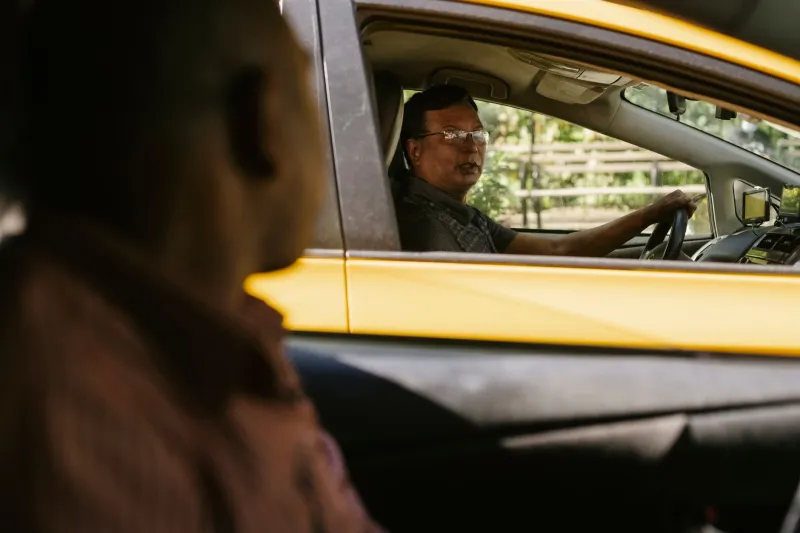
Spend enough time riding with the drivers who work this town — the guys at Alacati Korsan Taksi who know every alley, every shopkeeper, every seasonal rhythm — and you start to realize you're sitting next to something Wall Street can't replicate: a living, breathing, real-time economic sensor.
The Market Research Nobody's Paying For
Mehmet has been driving in and around Alacati for eleven years. He doesn't own a Bloomberg terminal. He doesn't subscribe to emerging markets research reports. What he does have is an almost supernatural ability to tell you which neighborhood is about to pop — and which one already peaked two seasons ago.
"When I start picking up more construction workers in the morning from a certain street, I know," he says, steering past a row of bougainvillea-draped stone houses. "Three years later, those same streets have boutique hotels. I saw it in Alaybey. I saw it in parts of Çeşme before the prices went crazy."
That's not luck. That's pattern recognition built from thousands of fares, millions of observations, and a financial stake in the local economy that no outside analyst can claim. Mehmet's livelihood rises and falls with Alacati's fortunes. That kind of skin in the game sharpens your instincts fast.
For American travelers used to reading Zillow heat maps and listening to podcasts about real estate cycles, this is a jarring recalibration. The data here isn't scraped from the internet. It's accumulated in real time, through windshields and conversations.
Currency Chaos, Decoded at the Curb
If you've traveled to Turkey recently, you already know the Turkish lira has had a rough few years. Inflation, depreciation, central bank drama — it's been a lot. Your financial planner probably has a one-liner about "emerging market currency risk" ready to go. But ask a driver what actually happens on the ground when the lira dips, and you get something far more useful.
"When the dollar gets strong against the lira, the Europeans come more," explains Serkan, who's been driving tourists around the Çeşme peninsula for nearly a decade. "But the local businesses? The ones who import anything — equipment, wine from outside, specialty food — they suffer. I see which restaurants close in winter. I see which ones expand."
Serkan has developed what amounts to a proprietary inflation tracker. He watches the menus. When a restaurant quietly drops two dishes and raises prices on the remaining ones, he notes it. When a boutique hotel starts offering early-bird discounts in June — peak season — he files that away too.
"Last summer I knew which places were struggling before they closed," he says matter-of-factly. "You can tell."
For American investors with any exposure to Turkish tourism stocks, hospitality REITs, or even just travelers trying to figure out where to spend their dollars for maximum value, this kind of granular intelligence is genuinely rare.
Gentrification, the Alacati Way
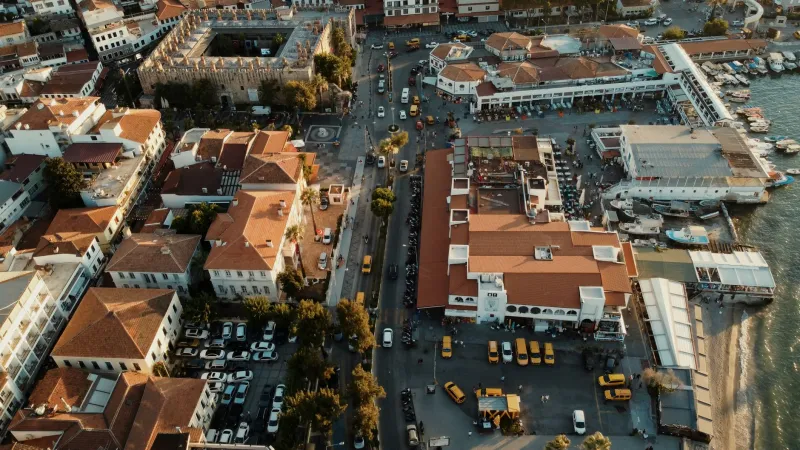
Alacati has been gentrifying for years, but it doesn't happen the way it does in Brooklyn or Austin. There's no single wave. It's more like a slow tide with pockets of acceleration.
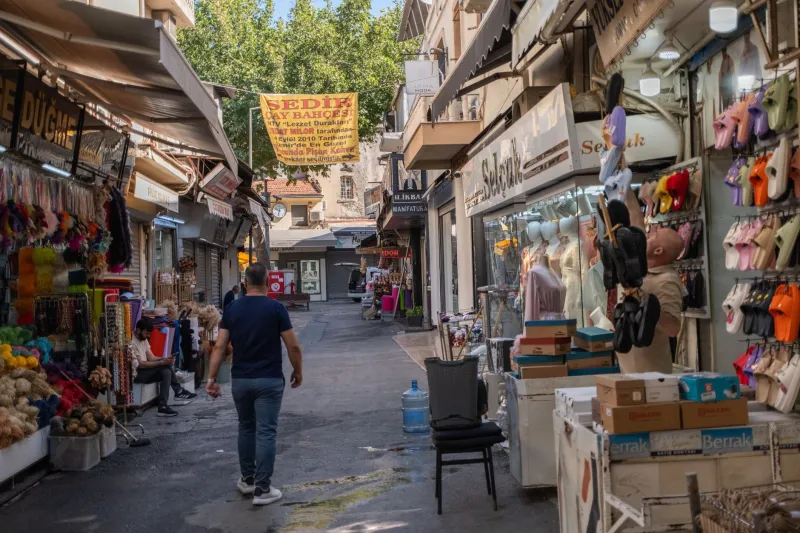
Drivers track it instinctively. They notice when the clientele in a neighborhood shifts — fewer locals catching rides to the market, more visitors heading to a new wine bar that opened where a hardware store used to be. They notice when the tip amounts change. They notice when a street that used to be dead on Tuesday nights starts humming.
"I can tell you which streets will be expensive in three years," says Hakan, laughing a little at how simple it sounds. "Not because I'm smart. Because I drive them every day."
He points out a quiet lane off the main drag where two old stone houses are mid-renovation. Neither has a sign up yet. "That one will be a guesthouse. That one, maybe a restaurant. Give it one season."
For American travelers who've watched neighborhoods like Williamsburg or Silver Lake transform and wished they'd bought in earlier, this kind of street-level forecasting has an obvious appeal. The difference is, in Alacati, the information is still accessible — if you know who to ask.
What This Means for You, Practically
Okay, so you're not about to liquidate your 401(k) and buy a stone house in Alacati based on your cab driver's tip. Fair enough. But there are real, practical takeaways from these conversations that go beyond investment theory.
Where to eat without getting burned. Drivers know which restaurants are coasting on old reviews and which ones are genuinely thriving. If a place has been around for five-plus seasons and the locals still go there, that's signal. If a spot is burning through staff and offering heavy discounts in July, that's signal too.
Where to stay for value. The neighborhoods that drivers are starting to talk about — not the ones already on every travel blog — are where you'll find properties that still offer good rates with real character. Ask your driver what street he'd tell his cousin to rent on. The answer is almost never the most Instagrammed block.
When to come. Seasonal timing is everything in a place like Alacati. Drivers have watched enough boom-and-bust cycles to know that the sweet spots — when the town is alive but not overwhelming, when prices haven't fully spiked — are specific and short. Late May and early October come up repeatedly in these conversations.
The Intelligence Gap
Here's the uncomfortable truth for anyone who pays for premium financial advice: a lot of what gets sold as sophisticated market analysis is just pattern recognition dressed up in jargon. The drivers of Alacati do the same thing, just without the fees.
They're not infallible. No one is. But they're working with ground-level data that takes traditional analysts years to model — if they ever get there at all. By the time a research report flags a neighborhood as "emerging," the drivers have already been watching it for two seasons.
Next time you're in the back of a cab winding through Alacati's stone-walled streets, put your phone down. Ask your driver what he's seeing. Ask which businesses opened this year, which ones didn't make it through winter, which streets feel different than they did three years ago.
You might not walk away with a stock pick. But you'll walk away with something better: a real sense of how a place actually works — economically, culturally, seasonally. And honestly? That's worth more than most things your financial planner has told you lately.
Getting around Alacati is easy when you've got the right connection. Alacati Korsan Taksi links travelers with experienced local drivers who know this town inside and out — and occasionally, they'll give you an economic education you didn't know you needed.