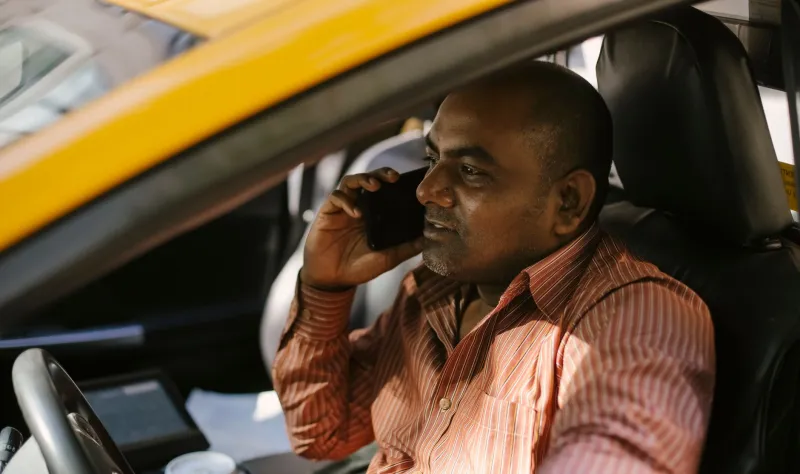
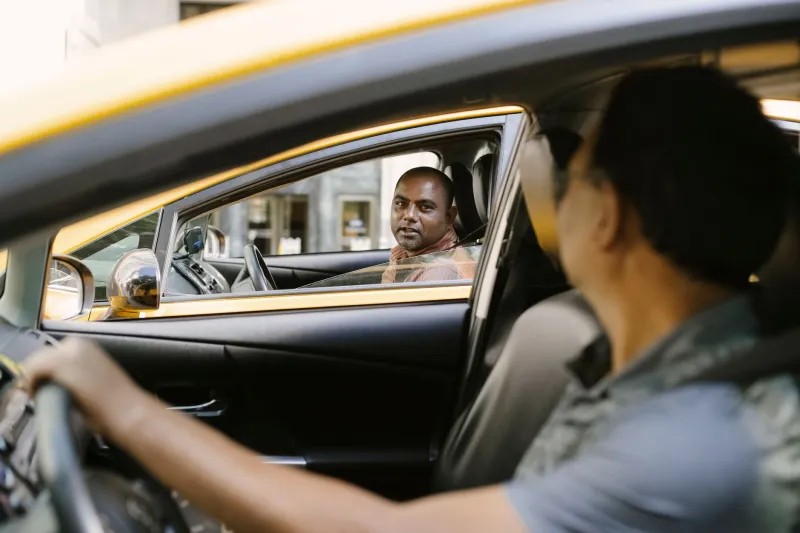
The Cab Driver Who Called Turkey's Real Estate Boom Before the Analysts Did
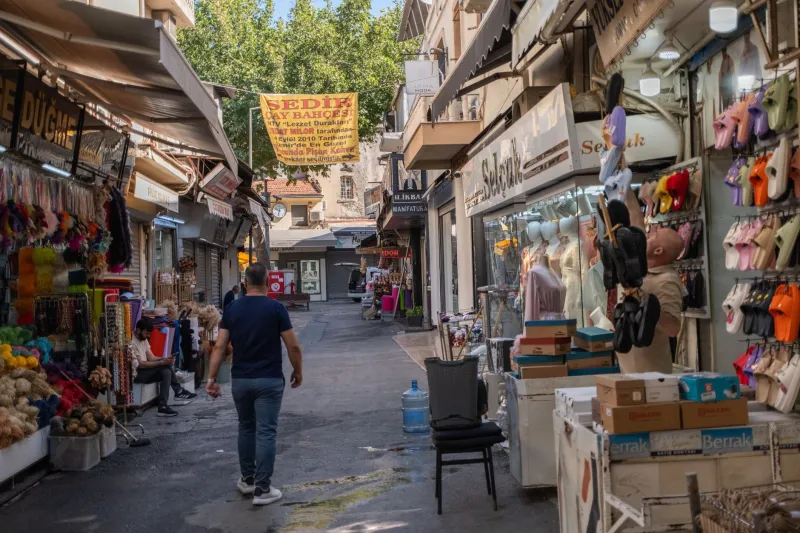
There's a specific kind of conversation that happens in the back of a taxi in Alacati. It starts casually — you ask about a good spot for midye tava, maybe complain about the heat — and then, somewhere between the windmill district and the stone-cobbled main strip, things get genuinely interesting. Your driver starts talking about which neighborhoods are getting bought up, which restaurants didn't reopen after last winter, and why the lira's official rate doesn't mean much to anyone actually living here.
If you've been paying attention, you've realized something: this guy knows things. Not trivia. Economic intelligence.
Street-Level Data Nobody's Packaging for You
Most Americans arrive in Alacati with a rough idea of the exchange rate from their bank app and a vague sense that Turkey is "affordable." What they don't have is a working model of how the local economy actually moves — and that's exactly what a seasoned Alacati taxi driver carries around in his head every single day.
Drivers here interact with an extraordinary cross-section of the economy. They pick up property developers from the airport, drop off restaurateurs at dawn, shuttle boutique hotel owners between meetings, and ferry regular families doing their weekly shopping. Over a season, that's thousands of data points about who's spending, who's pulling back, and where money is quietly flowing.
Mehmet, a driver who's been working the Alacati-Cesme corridor for over a decade, put it plainly on a recent run: "I knew the stone houses on the back streets were getting expensive before any listing went up. I was driving the buyers." He noticed the pattern — Istanbul license plates, architecture types, early morning viewings — months before local real estate prices reflected it publicly.
Your financial planner in Chicago is working from quarterly reports. Mehmet was watching it happen in real time.
The Two Price Systems Every Traveler Should Understand
One of the most practically useful things an Alacati taxi driver will tell you — if you ask the right questions — is that there are effectively two parallel economies operating here simultaneously.
There's the tourist economy: the boutique wine bars on Kemalpaşa Street, the curated ceramics shops, the farm-to-table restaurants with Instagram-ready plating. Prices there are set with an eye on European and American purchasing power. They're not a rip-off, exactly, but they're not a window into what things actually cost in Turkey.
Then there's the local economy: the market stalls on the edge of town, the family-run lokantas that don't have English menus, the corner bakeries that sell simit for a fraction of what you'd pay at a café with wifi. Drivers shop in this economy. They live in it. And when you ask them where they eat lunch, you get a very different map of Alacati than the one on your hotel's welcome card.
Understanding this split isn't just good for your travel budget — it's a genuinely useful lens for understanding how tourism-dependent local economies function. The tourist tier buffers against currency volatility. The local tier absorbs it. A driver who's watched both sides of that equation for years has insight that most economic models flatten out entirely.
Seasonal Patterns as a Proxy for Market Health
Alacati's economy breathes with the seasons in a way that's unusually legible if you know what to look for. The town swells dramatically in summer — primarily with domestic Turkish tourists and a growing wave of Europeans — then contracts sharply through winter. That boom-bust cycle creates a kind of stress test that plays out annually, and the drivers who work year-round see the full arc.
Ali, another longtime driver on the Alacati circuit, described watching certain restaurant concepts come and go over the years. "The ones that only think about July and August never last," he said. "The ones that build something for the locals in winter — they're still here." That's not just folk wisdom. That's a sustainable business model observation that any analyst covering the hospitality sector would recognize as sound.
Drivers also track which nationalities are showing up and in what numbers — an informal tourism demand indicator that precedes official statistics by months. When a new European budget airline adds a route to Izmir, drivers feel it before the tourism board publishes the numbers. When a political event spooks a particular traveler demographic, they notice the shift in their pickup patterns almost immediately.
What This Actually Means for You as a Traveler
None of this is to suggest you should be taking stock tips from your cab driver. But there's a real case to be made that the economic education you get from a long ride through Alacati is more grounded than a lot of what passes for market insight in financial media.
For American travelers specifically, a few things are worth internalizing:
The official exchange rate is a starting point, not the whole story. Drivers can tell you which vendors will negotiate, where cash is genuinely preferred, and how pricing has shifted over a season. That's applied currency intelligence.
Tourism infrastructure is a leading indicator. Which new hotels are going up? Which ones sat empty last season? Drivers know. And in a market like Turkey, where real estate and tourism are deeply intertwined, that ground-level observation matters.
Local spending behavior tells you more than tourist pricing. If you want to understand whether a destination is genuinely affordable or just positioned as affordable, watch where the locals eat, shop, and spend on weekends. Your driver can show you that in a single afternoon.
The Ride Is the Briefing
Alacati Korsan Taksi connects travelers with drivers who've built their understanding of this town over years of daily observation. That's not a coincidence — it's the point. Getting from your hotel to the beach is the easy part. The value is in the conversation that happens on the way.
Next time you're in the back of a cab here, skip the headphones. Ask your driver what's changed this season, which neighborhoods are getting attention, and where locals actually spend their money. You'll land back home with a more nuanced read on Turkey's economy than most people who track it professionally.
And yeah — you'll probably have a better lunch recommendation too.