What a Taxi Fare in Alacati Can Tell You About Turkey's Real Economy
You're probably used to checking the headlines before a trip abroad. Exchange rates, travel advisories, maybe a quick Google search on "is Turkey expensive right now." But if you really want to understand what's happening on the ground in a place like Alacati, skip the financial news and just ask your taxi driver what he charged for the same ride three years ago.
The answer might genuinely surprise you.
The Meter Doesn't Lie (Even When the Data Does)
Turkey has had a complicated relationship with inflation over the past several years. Official government figures have sometimes told a different story than what ordinary people — shopkeepers, restaurant owners, and yes, taxi drivers — actually experience in their day-to-day lives. For American travelers used to the Federal Reserve's relatively transparent approach to monetary data, this gap can feel disorienting.
But here's the thing: taxi fares are a remarkably clean data point. They're tied directly to fuel costs, vehicle maintenance, licensing fees, and the driver's own cost of living. There's no corporate margin to hide behind, no shareholder expectation to smooth over the numbers. When a driver in Alacati raises his rate, it's because he genuinely has to.
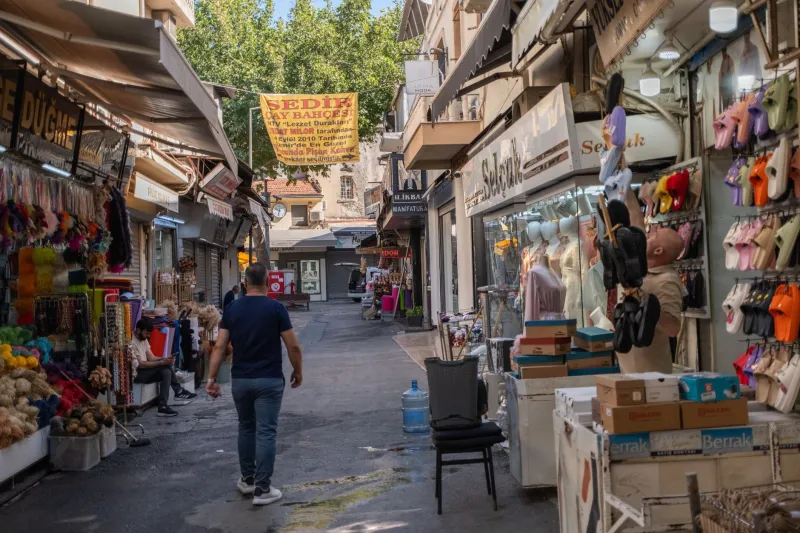
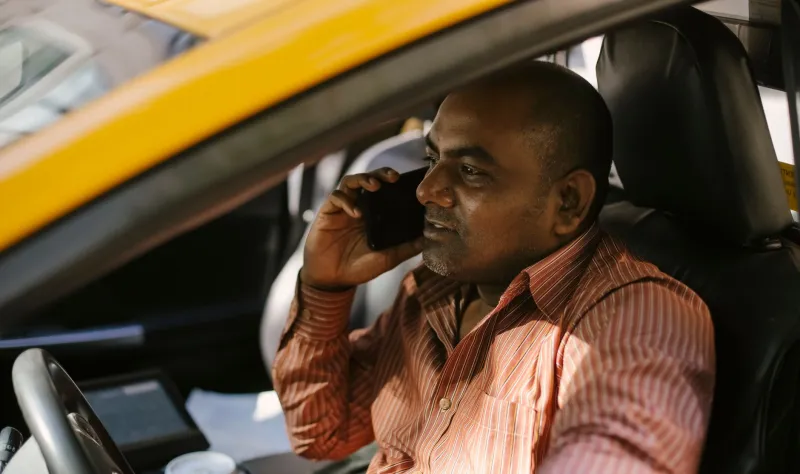
"Three years ago, I was charging maybe 60 lira for the airport run," one driver told us on a recent ride from the Alacati bazaar toward Ilica. "Now it is closer to 280. My diesel, my insurance, my tires — everything moved."
That's not a small adjustment. That's a signal.
Alacati as a Case Study
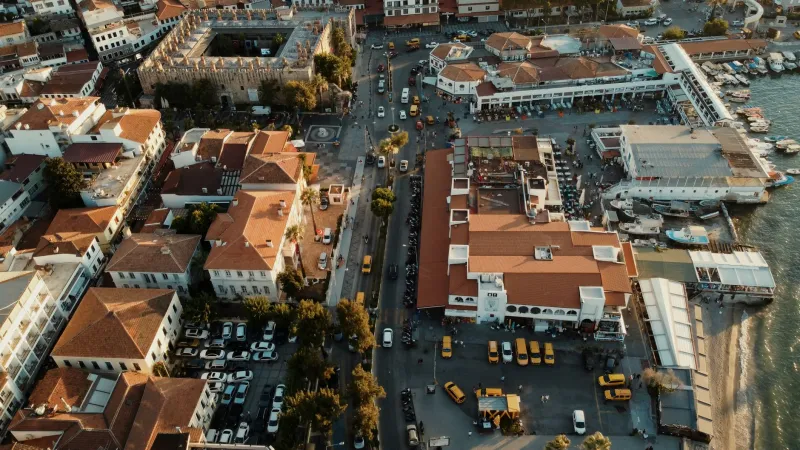
Alacati is an interesting place to study this phenomenon because it sits at the intersection of two very different economic worlds. On one hand, it's a premium tourism destination — boutique hotels, high-end restaurants, international windsurfers and Instagram-famous stone streets. On the other hand, it's a working Turkish town where local residents buy groceries, send their kids to school, and run small businesses on lira-denominated incomes.
That tension shows up in transportation pricing in a really specific way. Drivers here serve both tourists and locals, which means they're constantly navigating what the market will bear versus what their costs demand. The fares they land on aren't arbitrary — they reflect a kind of real-time negotiation between global tourism economics and domestic cost pressures.
For American visitors, this creates an interesting dynamic. Because the dollar has strengthened significantly against the Turkish lira over recent years, Alacati can still feel relatively affordable in USD terms even as locals experience what amounts to a cost-of-living crisis. A ride that costs a driver the equivalent of a meaningful chunk of a daily wage might only set you back three or four dollars at current exchange rates.
That gap is worth sitting with for a moment.
What Drivers Actually Track
We spoke with several drivers who work the Alacati area regularly, and what stood out was how economically literate they are — not in a formal sense, but in the way that anyone who runs a small business has to be. They know their fuel cost per kilometer. They know roughly what a new set of tires will run them. They track how tourist season affects demand and how off-season affects cash flow.
"I don't look at the government number," said one driver who's been working the Cesme peninsula for over a decade. "I look at what I pay at the pump. That tells me everything."
Fuel prices in Turkey are among the highest in Europe when measured against local wages, a fact that rarely makes it into travel blogs but matters enormously to anyone whose livelihood depends on a combustion engine. When global oil prices spike, or when the lira weakens against the dollar (which affects the import cost of fuel), drivers feel it almost immediately. Their fares follow within weeks.
This makes taxi pricing something close to a real-time inflation tracker — more responsive and more granular than any quarterly report.
What This Means for Your Budget
If you're planning a trip to Alacati and trying to figure out what to expect financially, here's a practical takeaway: don't anchor your expectations to articles written more than six months ago. Pricing in Turkey — for rides, for meals, for accommodations — has been moving fast enough that older information can genuinely mislead you.
Instead, treat your first taxi ride as a calibration exercise. Ask the driver what the fare was a year or two ago for the same route. Ask what's changed. You'll get an honest answer, and you'll walk away with a much better mental model of where prices actually are and where they might be heading.
For budget-conscious travelers, this kind of on-the-ground intelligence is worth more than any cost-of-living index. For travelers who are just curious about how economies actually work at street level, it's genuinely fascinating.
The Broader Takeaway
There's a reason economists sometimes talk about the "Big Mac Index" — the idea that the price of a standardized product can reveal a lot about purchasing power and currency valuation across countries. A taxi fare works similarly, especially in a place like Alacati where the service is relatively standardized and the inputs (fuel, labor, maintenance) are easy to understand.
What drivers here are charging isn't just a number on a meter. It's a compressed story about fuel subsidies, currency volatility, seasonal demand, and the very human experience of running a small business through a period of serious economic turbulence.
Next time you climb into a cab in Alacati — whether you're heading to the beach at Alaçatı Port, out to a winery in the surrounding countryside, or back to Adnan Menderes Airport — take a minute to ask your driver about the economics of what he does. You might learn more about Turkey's real cost of living in that twenty-minute ride than you would from a week of reading financial news.
And honestly, that's a pretty good use of a taxi ride.