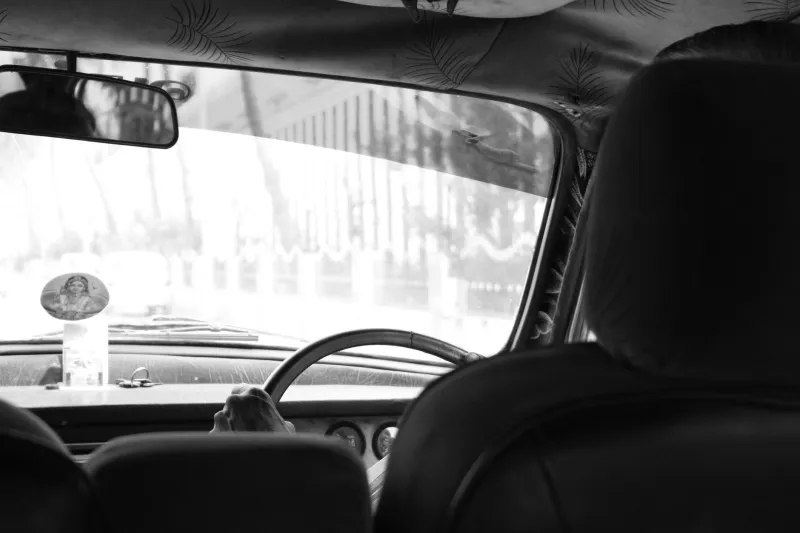
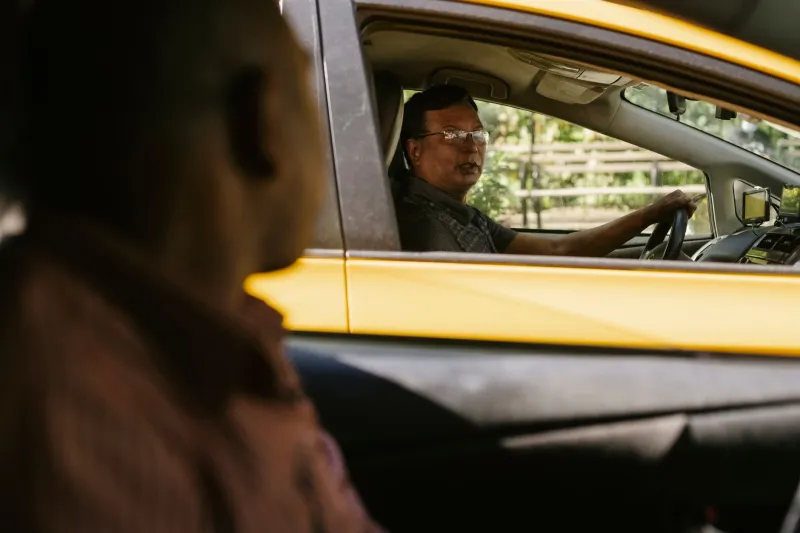
So You're Getting in a Cab in Alacati: Here's What the Driver Wishes You Already Knew
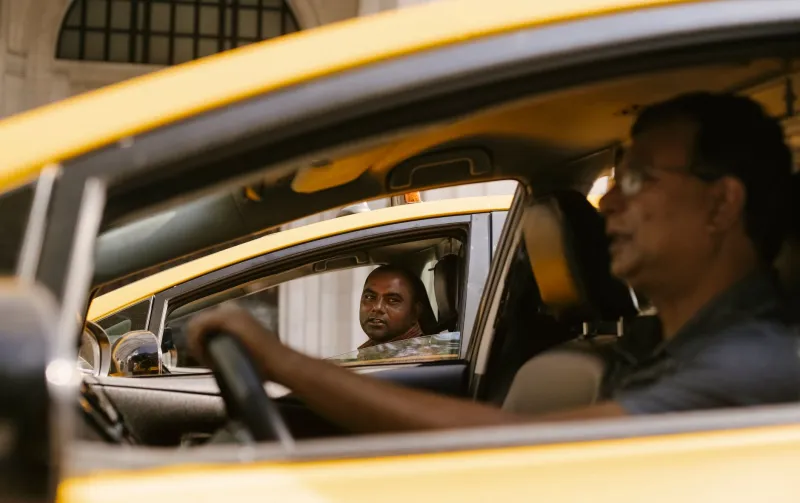
Alacati is the kind of place that rewards people who pay attention. The cobblestone alleys, the bougainvillea draped over whitewashed walls, the windmills catching the Aegean breeze — it all looks effortless. But underneath that postcard surface, there's a whole set of social codes that locals navigate without thinking twice. Nowhere is that more obvious than inside a taxi.
A cab ride here isn't just a transaction. It's a small social event. And if you walk in treating it like an Uber in Chicago, you're going to miss the point entirely — and possibly make things awkward for everyone involved.
Here's what Alacati's drivers genuinely wish their American passengers understood before they even opened the door.
Front Seat or Back? It Actually Matters
In the US, sliding into the backseat of a cab is the default. It signals that you want privacy, you're in professional mode, and you're not especially interested in chatting. In Alacati, that same move can read as standoffish — or even a little rude, depending on context.
If you're traveling solo, sitting up front with the driver is common and completely normal. It signals openness, a willingness to connect, and basic respect for the person doing the work. If there are two or more of you, the back is fine. But a solo traveler who plants themselves in the back without a word? Drivers notice.
This doesn't mean you're obligated to carry on a 20-minute conversation. It just means acknowledging the human in the front seat rather than treating the car like a moving elevator.
Greetings Aren't Optional
When you get in, say hello. "Merhaba" (mehr-HAH-bah) goes a long way. You don't need to be fluent in Turkish — not even close. But making the smallest effort to open with a greeting in the local language shifts the entire energy of the ride.
Drivers across Alacati consistently say that American passengers are friendly once they get talking, but often start the ride in silence, staring at their phones. In Turkish culture, that kind of silence at the start of an interaction can feel dismissive rather than neutral. A simple hello, even with a laugh about your pronunciation, breaks that tension immediately.
On the Topic of Tipping: Don't Overthink It, But Don't Skip It
Tipping isn't as rigidly expected in Turkey as it is back home in the US, but it's absolutely appreciated — especially in a tourist-heavy spot like Alacati where drivers are well aware that their international passengers come from tipping cultures.
Rounding up to the nearest convenient number is the standard move. If the fare is 180 Turkish lira, leaving 200 is perfectly appropriate. You don't need to calculate a percentage or stress about it. The gesture matters more than the math.
What drivers do find a little off-putting is when passengers — particularly those who've clearly been spending freely at boutique hotels and wine bars all weekend — pay the exact fare to the lira and hop out without a word. It's not a rule violation. It just reads as transactional in a place where relationships are the whole point.
Don't Negotiate the Fare Like You're at a Bazaar
Haggling is a legitimate and respected practice in Turkish markets. It is not really the move inside a metered taxi. Alacati's cabs run on meters, and the fare is the fare. Trying to talk a driver down mid-ride or questioning the meter aggressively puts everyone in an uncomfortable spot.
If you have genuine concerns about a route or a fare that seems off, ask calmly — most drivers will explain, especially if they sense you're curious rather than accusatory. But coming in hot with "that seems like a lot" before you've even arrived at your destination? That's a fast track to a cold ride.
Conversation Topics That Work — and a Few That Don't
Alacati drivers are, almost universally, excellent conversationalists. They've seen thousands of tourists, they know what questions are coming, and many of them genuinely enjoy the exchange. Ask about local food spots, about the best time of year to visit, about what's changed in the town over the past decade. You'll get real, enthusiastic answers.
What tends to land poorly: diving immediately into Turkish politics, pressing for opinions on sensitive regional issues, or assuming that because someone is friendly, they want to debate geopolitics with a stranger. Keep it curious rather than interrogative, and you'll have a genuinely memorable conversation.
Also worth knowing — complimenting Alacati itself is always a good move. Drivers are proud of where they live and work. Saying something genuine about the town (not just "it's so cute," but something specific you noticed) tends to open the conversation up in a real way.
Your Phone: Read the Room
This one's less about Turkish culture specifically and more about basic awareness. If you get in, immediately put on headphones, and spend the entire ride scrolling — fine, it happens. But if the driver has made an effort to welcome you, pointed out something along the route, or asked where you're from, and you respond with one-word answers while staring at Instagram, you're going to feel the vibe shift.
Alacati isn't a city where everyone's in a hurry. The pace is different. Matching that pace, even for a 10-minute cab ride, is part of what makes the experience feel like travel rather than just movement.
Safety Stuff Americans Sometimes Miss
A few practical notes that have nothing to do with etiquette but everything to do with a smooth ride:
Alacati's streets, especially in the old town, are narrow. Sometimes the cab literally cannot get to your exact destination. Don't interpret a driver stopping a block away as laziness or a scam — it's often just the physical reality of centuries-old urban planning. Walk the last bit and enjoy it.
If you're heading somewhere outside the main town center, especially after dark, it's worth confirming the address clearly before you set off rather than navigating in real time. Google Maps and local street reality don't always agree in smaller Turkish towns, and a driver who knows the area will often have a better route in mind than your app does.
And if you're out late after the kind of evening Alacati is famous for — excellent wine, long dinners, that particular Aegean looseness that sets in around midnight — just be a decent human being. Drivers working late shifts are doing a job. Treat them accordingly.
The Short Version
Getting around Alacati by cab is genuinely one of the better parts of visiting. The drivers know the town in a way no app can replicate, they're usually up for a real conversation, and the rides are short enough that even a quiet trip doesn't overstay its welcome.
But like anything worth doing in a place you're visiting for the first time, it goes better when you show up with a little awareness. Say hello. Tip reasonably. Put the phone down for five minutes. Ask a real question.
You'll be surprised what you get back.